Blog

  • Why Real Estate Brands in Pune and Mumbai Must Think Like Luxury Houses

    Why Real Estate Brands in Pune and Mumbai Must Think Like Luxury Houses

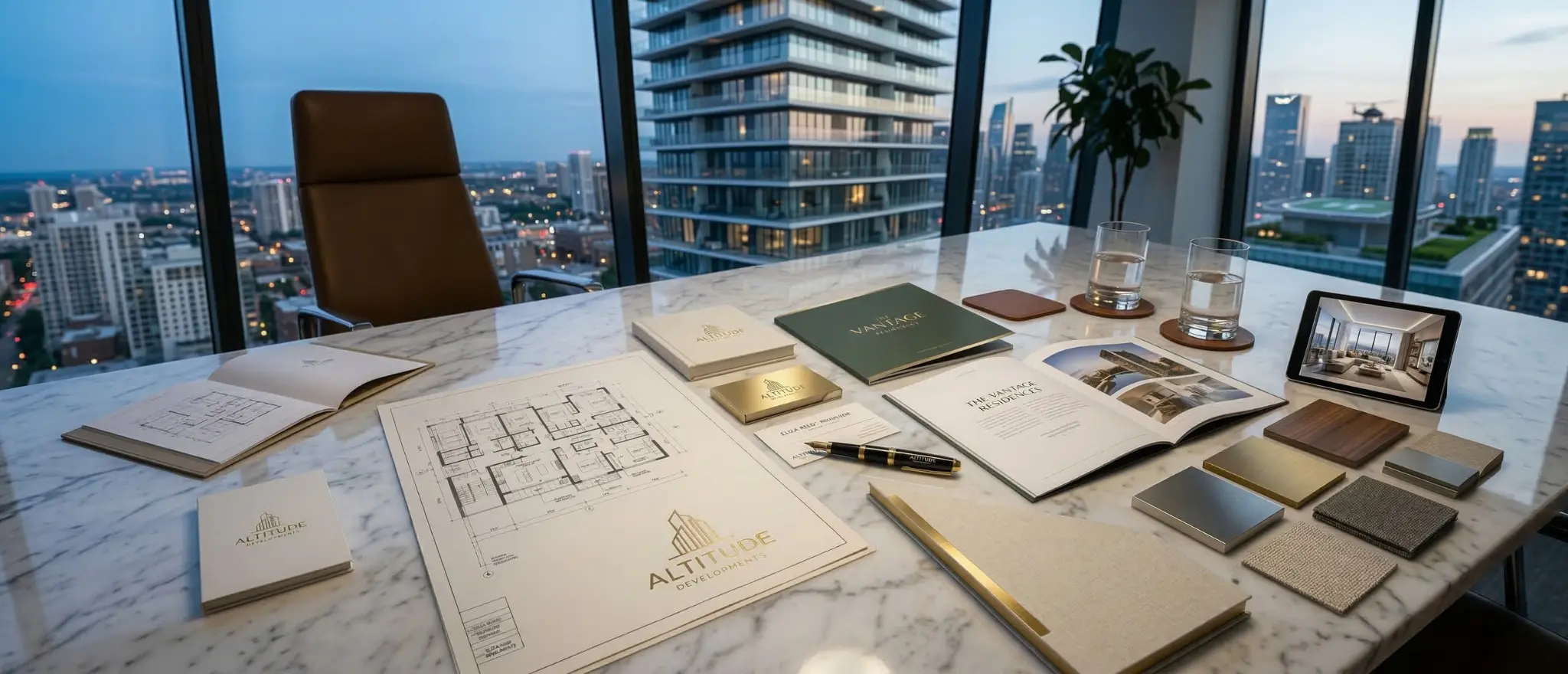
    In Real Estate, the Brand Is the Building Before the Building Is Built

    Before a single brick is laid, before RERA approvals come through, before the architect’s renders are ready  a real estate developer’s brand is already being evaluated. In Pune’s Baner-Balewadi corridor, in Mumbai’s Thane to Worli belt, buyers are making decisions worth crores of rupees, and they begin that journey with a Google search, a brochure, or a hoarding.

    What they see in those first moments determines whether they enquire. And what they feel  the sense of trust, credibility, and aspiration that your brand communicates  determines whether they convert. In the most competitive real estate markets in India, branding is not a marketing luxury. It is a fundamental business infrastructure.
    1. The Trust Deficit in Indian Real Estate and How Branding Solves It

    Trust is the single most critical purchase factor in real estate. Unlike buying a bottle of shampoo where a bad decision costs you one hundred rupees, a bad real estate decision can be financially and emotionally devastating. This is why buyers are inherently risk averse and look for every signal that confirms a developer’s credibility.

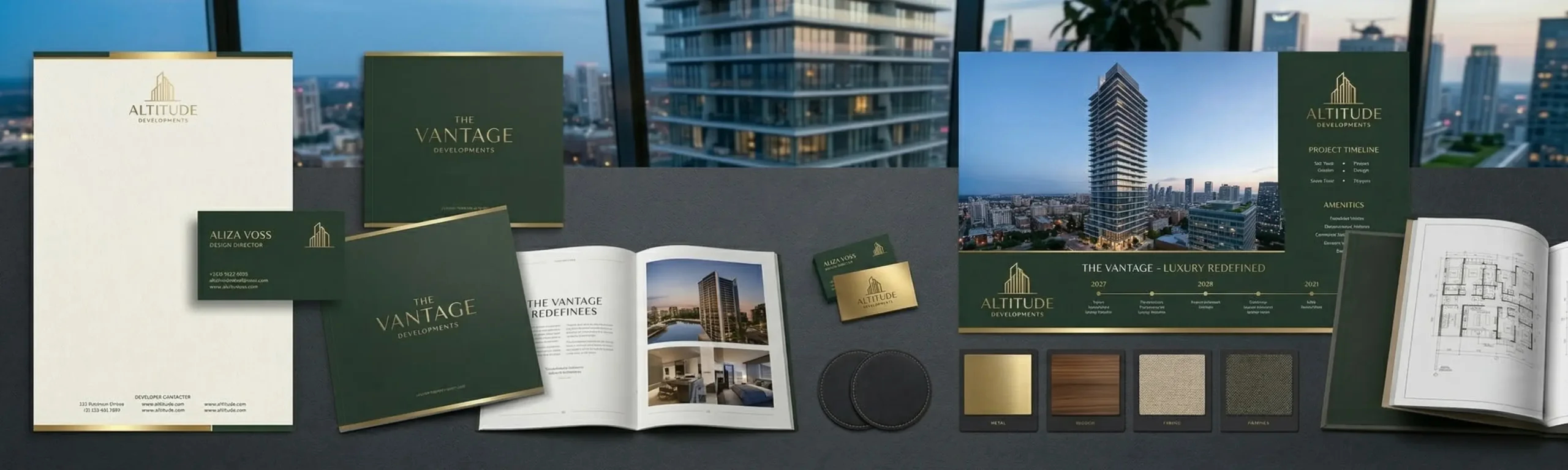
    Your brand is one of the most powerful trust signals you have. A professionally designed corporate identity  from your company logo to your project brand guidelines, from your sales office design to your email signature  tells the buyer that you are a serious, established, credible developer. It says: we invest in quality, and that investment starts with how we present ourselves.

    Trust signals embedded in strong real estate branding:

    • A sophisticated, premium logo that signals established credibility
    • Consistent visual identity across all project touchpoints
    • High-quality brochure and collateral design that matches the property’s aspirational value
    • A website that positions the brand before showcasing the project
    • Professional signage, sales suites, and experiential branding at site offices

    2. Project Branding vs Corporate Branding: You Need Both

    Many real estate developers in Pune and Mumbai focus only on project-level branding  the name and identity for each individual development. This is important but insufficient. The developer’s corporate brand  the entity behind the projects  must be equally strong, because it is the parent brand that a buyer ultimately trusts.

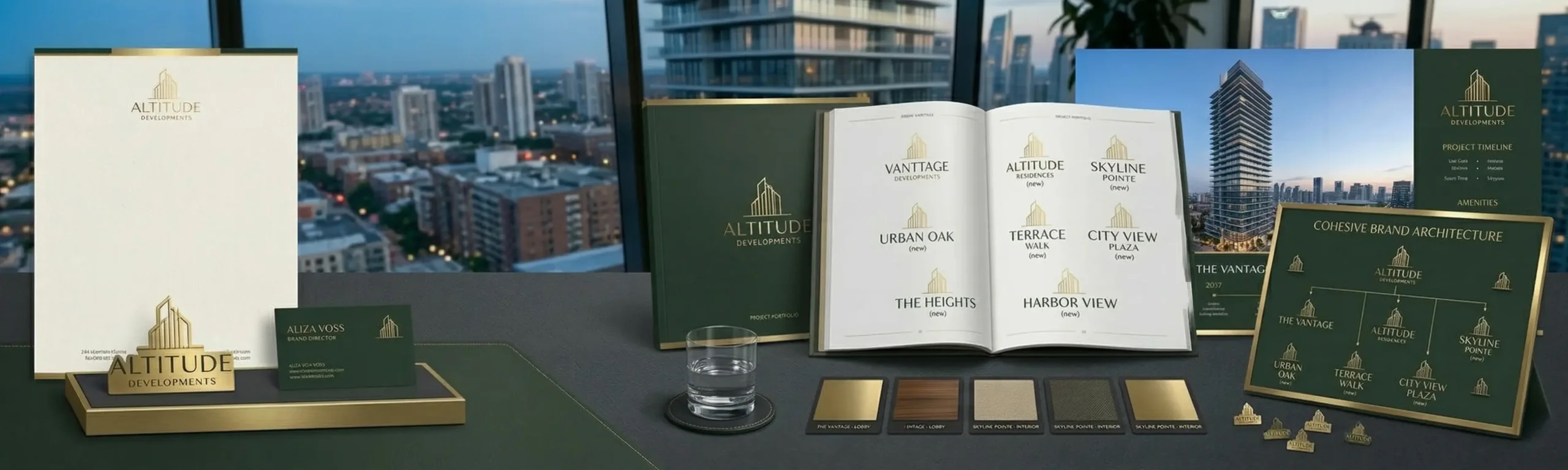
    Think of how Lodha commands premium prices not just on the strength of individual project names but on the strength of the Lodha parent brand. The corporate brand creates a halo effect over every project, making it easier to sell, easier to price at a premium, and easier to attract investors, JV partners, and premium land owners.
    3. The Visual Language of Premium Real Estate Brands

    Premium real estate brands in India and internationally use a consistent visual vocabulary that communicates aspiration, quality, and permanence. Understanding this vocabulary  and deploying it strategically  is what elevates a developer’s brand above the noise.

    The Premium Real Estate Design Language:

    • Color palette: Deep navy, charcoal, champagne gold, warm whites never bright or garish
    • Typography: Elegant serif or refined geometric sans-serif authoritative and refined
    • Imagery: Architectural, aspirational, human showing the life the property enables
    • Layout: Generous white space, confident composition premium brands do not rush
    • Collateral quality: Heavyweight paper, soft-touch lamination, embossed logos, spot UV

    4. Branding for the NRI and UAE Market: What International Buyers Expect

    For Pune and Mumbai developers marketing to the NRI community in Dubai, Abu Dhabi, Oman, and Australia, the branding standard is even higher. NRI buyers are comparing Indian real estate brands against the quality of marketing they see daily from international developers in their countries of residence. The gap, for many Indian developers, is stark.

    At Richest Branding, we have worked with real estate clients who wanted to specifically crack the Gulf NRI market. The pivotal investment in every case was not just advertising  it was brand elevation. Creating a visual identity and collateral standard that could hold its own in a Dubai property expo alongside brands from UK, Australia, and the UAE.

    5. Sales Velocity and Brand Investment: The Numbers Make Sense

    The return on investment for real estate branding is measurable. Developers with strong, premium brand identities consistently achieve faster sales velocity, better price per square foot premiums, and lower cost of customer acquisition. When your brand does the selling, your sales team closes faster and at better rates.

    More importantly, in the post RERA era where buyer sophistication and due diligence has increased dramatically, a brand that signals professionalism and quality immediately passes the first filter that buyers apply  even before they look at the location, price, or specifications.

    6. Starting Your Real Estate Brand Journey with Richest Branding

    Whether you are a new developer launching your first project in Pune, or an established developer in Mumbai ready to position for the premium segment, or a Gujarat based builder targeting the NRI market in Dubai  the strategic brand building process is the same. It begins with clarity: who you are, who you serve, and what position you want to own in the market.

    That clarity, translated into a powerful visual identity and brand system, is what we build at Richest Branding. Not logos. Not brochures. Empires.


    Ready to Build a Brand That Builds Empires?

    Strategy • Design • Impact

    richestbranding.com  |  info@richestbranding.com

    Richest Branding — Strategic Branding that Builds Empires
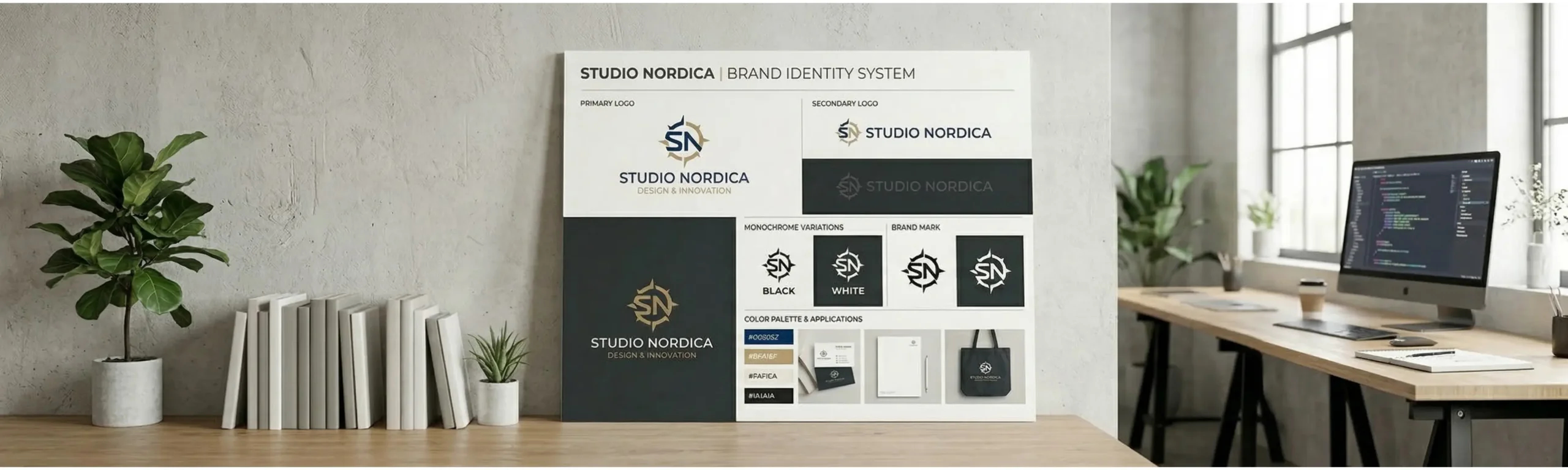
  • The Anatomy of a Great Logo: What Gujarat is Fastest Growing Brands Know

    The Anatomy of a Great Logo: What Gujarat is Fastest Growing Brands Know

    Gujarat Is Producing Brands. Are Their Logos Ready for the World?

    Gujarat has always been a state of entrepreneurs. From Ahmedabad’s thriving textile and chemical industries to Baroda’s growing startup ecosystem, Surat’s diamond and fashion trade to the emerging food and beverage brands from smaller cities  Gujarat businesses are built with ambition.

    But ambition needs a face. And that face is your logo. In a market where brand perception directly impacts pricing power, investor confidence, and consumer trust, a poorly designed logo is not just an aesthetic problem  it is a business problem.

    The good news: the best Gujarat businesses already understand this. And the ones building for national and international markets are investing in logo design as seriously as they invest in their product or operations.

    1. What Is a Logo Actually Doing for Your Business?

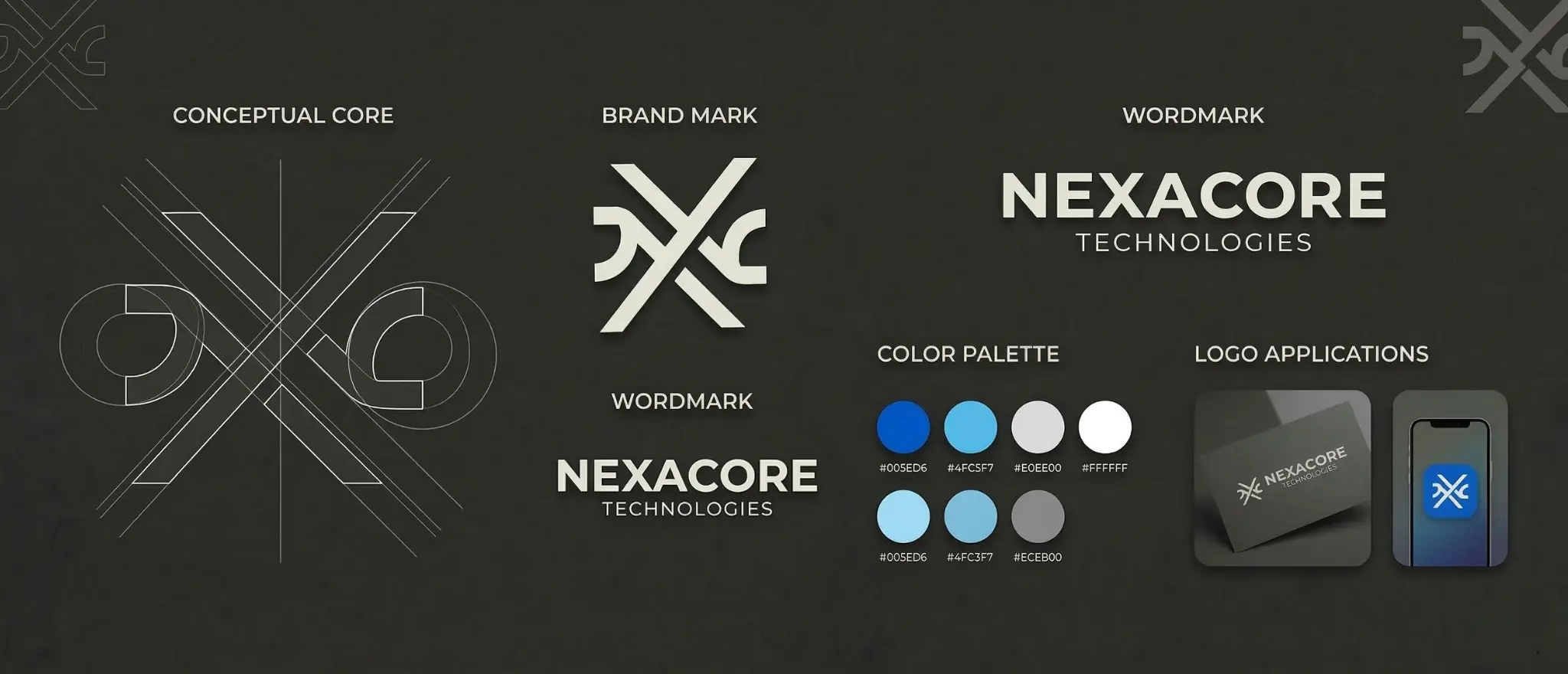
    Most business owners think of a logo as identification  a mark that says ‘this is us.’ But a great logo does far more. It communicates values, signals category, attracts the right customers, and repels the wrong ones. It works on your packaging, your vehicle, your digital presence, your employee uniforms, and your invoice  and it has to work perfectly in all of these contexts.

    A world-class logo must be:

    • Distinctive — Unmistakably yours, immediately recognizable
    • Scalable — Perfect at 16px favicon size and 6-foot hoarding size
    • Versatile — Effective in color, black-and-white, reversed, and embossed
    • Timeless — Relevant and strong 20 years from now, not just today
    • Appropriate — Matches the visual language of your industry and audience

    2. The Logo Design Process: Why Strategy Comes Before Sketches

    The most common mistake businesses make when commissioning a logo is jumping straight to design without doing the brand strategy work first. A logo without strategy is just a graphic. A logo with strategy is an asset.

    At Richest Branding, every logo project begins with a Brand Discovery process. We map your brand positioning, your competitors’ visual territory, your target audience’s preferences, and your long-term brand vision. Only then does design begin. This is why our logos work  and why they continue to work as businesses scale.

    3. The Hidden Language of Logo Design Elements

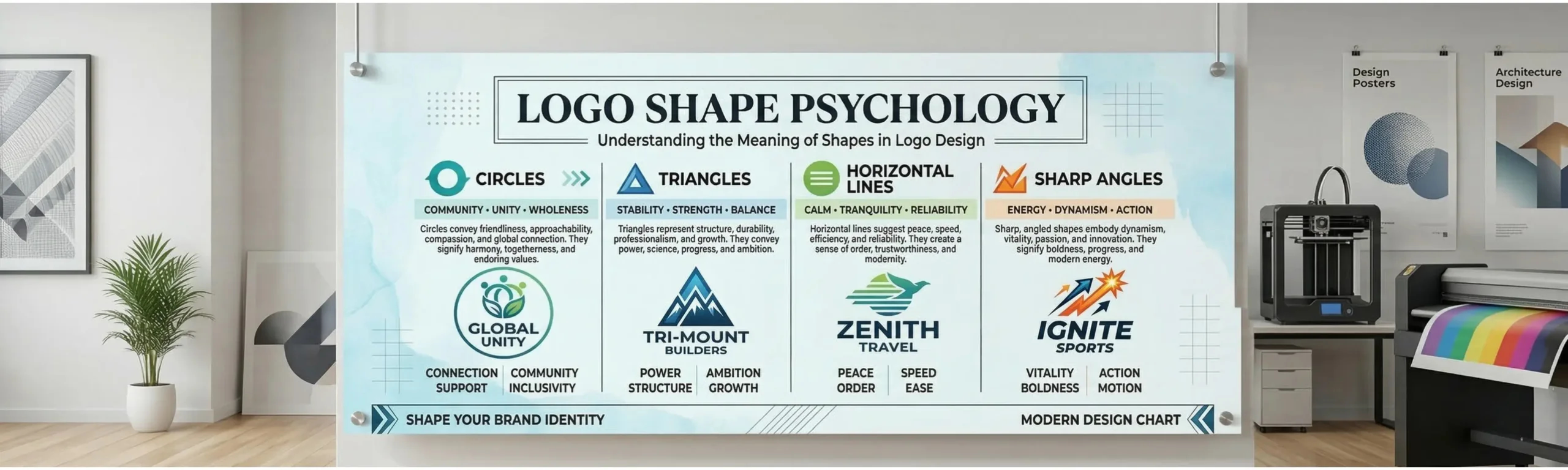
    Every choice in a logo  shape, font, color, spacing  communicates something specific to the human brain. Understanding this hidden language is what separates strategic designers from decorative ones.

    Shape Psychology:

    • Circles and curves suggest warmth, community, and approachability
    • Squares and rectangles convey stability, reliability, and strength
    • Triangles communicate direction, ambition, and energy
    • Abstract marks allow flexible meaning but require more brand building

    Color Psychology in Logos:

    • Deep navy and black: Authority, premium positioning, corporate trust
    • Gold and copper: Prestige, heritage, luxury powerful for Gujarat’s trading brands
    • Green: Organic, health, sustainability essential for F&B and wellness brands
    • Red and orange: Energy, appetite, urgency effective for food and FMCG brands

    4. Typography in Logo Design: The Font Is the Voice

    The typeface in your logo is the voice your brand speaks in. A serif font says ‘we have heritage, trust us.’ A clean geometric sans-serif says ‘we are modern and precise.’ A custom hand-lettered script says ‘we are human and warm.’ None of these is wrong  but each one speaks to a different audience, positions you in a different part of the market.

    For Ahmedabad’s established businesses, traditional typography with modern refinement tends to work powerfully  it honors the business heritage while signaling contemporary thinking. For Baroda’s startup ecosystem, clean, confident geometric typography is usually the right voice.

    5. Common Logo Mistakes that Hurt Gujarat Businesses

    • Using too many colors professional logos use 1 to 3 colors maximum
    • Following design trends trendy logos age quickly and need costly redesigns
    • Copying competitor aesthetics you need to stand out, not blend in
    • Choosing overly complex marks what looks great on screen fails on embossing
    • Not having brand guidelines one logo used inconsistently builds zero equity

    6. When Your Logo Is Holding Your Business Back

    Sometimes the logo you started with was right for where you were. But businesses grow. A logo designed for a small local business does not automatically scale to a national or international brand. If you are finding that your logo looks unprofessional next to your competitors, or that you are embarrassed to put it on premium materials, it is time for a strategic identity refresh.

    This is one of the most impactful projects we deliver at Richest Branding. A logo rebrand, done right, repositions your business in the market, commands higher prices, attracts better partners, and signals to the world that you are playing at a higher level  because you are.


    Ready to Build a Brand That Builds Empires?

    Strategy • Design • Impact

    richestbranding.com  |  info@richestbranding.com

    Richest Branding — Strategic Branding that Builds Empires
  • From Local Lab to Global Shelf: How Skincare Brands Build Premium Identity

    From Local Lab to Global Shelf: How Skincare Brands Build Premium Identity

    The Skincare Market Is Booming. Why Are Most New Brands Failing?

    India’s skincare market is on a trajectory that has global beauty investors paying close attention. Bengaluru alone has produced dozens of skincare startups in the last three years  from ayurvedic formulations to Korean-inspired routines. And in the Gulf markets  Dubai, Abu Dhabi, Oman, Saudi Arabia  Indian-origin skincare brands are finding enthusiastic audiences hungry for authentic, natural products.

    But here is the reality check: most of these brands fail not because their formulations are bad. They fail because their branding and packaging do not communicate the value that the product genuinely delivers. In a world where consumers judge your skincare brand by its jar before they ever feel the texture inside, your brand identity is your most important ingredient.

    1. What Makes a Skincare Brand Feel Premium

    Premium is not about price. Premium is a feeling  and it is engineered through every visual and tactile element of your brand. From the color palette of your packaging to the weight of your box, from the typography on your label to the language of your tagline  everything sends a signal to your consumer about what kind of brand you are.

    The Premium Skincare Branding Checklist:

    • Restrained, sophisticated color palette whites, creams, sage greens, deep blacks
    • Clean, editorial typography no overcrowding, generous white space
    • Material choices that communicate quality frosted glass, kraft, soft-touch lamination
    • A brand story that is rooted in authenticity heritage, ingredients, or philosophy
    • Consistent identity across all SKUs unity creates trust and shelf presence

    2. The Ingredient Story: Your Most Powerful Brand Asset

    Skincare consumers today are ingredient literate. They research hyaluronic acid, niacinamide, and bakuchiol before purchasing. For Indian skincare brands, there is a golden opportunity to lead with the power of heritage ingredients  turmeric, saffron, ashwagandha, sandalwood and position them within a modern, premium brand narrative.

    This is exactly the space where Indian skincare brands can out brand and out story their Western competitors in markets like Dubai and Singapore. The authenticity of Indian Ayurveda, packaged with world class design sensibility, is a compelling proposition that resonates powerfully.

    At Richest Branding, we helped build exactly this narrative for a skincare brand targeting the Gulf market  rooting the brand in time tested Indian botanical wisdom while giving it a packaging identity that looked at home next to premium European and Korean brands.

    3. Packaging Strategy for Skincare: Function Meets Emotion

    Skincare packaging must solve two things simultaneously: protect and communicate. The structural engineering of your pack  the pump mechanism, the airless bottle, the dropper  is as much a brand statement as the label design. Consumers notice when a pump is cheap. They feel the difference between a light, flimsy cap and a weighted, satisfying one.

    This is why at Richest Branding, our packaging strategy process for skincare always begins with the unboxing experience. How does it feel to open this product for the first time? What does the consumer see, touch, and feel before the product even reaches their skin? These moments of tactile brand experience drive reviews, social sharing, and repeat purchases more than any ad campaign.

    4. Building for International Markets: What Dubai and Singapore Expect

    If you are a skincare brand with ambitions beyond India  and many Bengaluru and Mumbai brands absolutely should be  the design bar is higher. Retail buyers in Dubai and Singapore evaluate packaging with the same rigour as a premium fashion buyer. Poor packaging, regardless of formulation quality, will not make it to the shelf.

    • Regulatory compliance must be built into label design from day one
    • Language hierarchy must work across English and Arabic markets
    • Premium retailers in UAE require specific packaging formats and minimum quality standards
    • Culturally sensitive imagery and color choices matter across different markets

    5. Logo Design for Skincare Brands: Less Is More

    A skincare logo must do something that logos in other categories do not always need to do  it must feel trustworthy enough to put on your face. Skincare consumers make intimate decisions. They are trusting your brand with their skin. Your logo must reflect that seriousness.

    Avoid overly complex logos, loud color marks, or playful design approaches unless your brand is specifically positioned as a playful, Gen Z skincare brand. For most skincare brands targeting quality conscious consumers in Bengaluru, Mumbai, Dubai, or Oman, the logo should feel refined, intentional, and timeless.

    6. Rebranding a Skincare Brand: When Is It Time?

    Many established skincare brands in India reach a point where their original packaging  designed on a lean budget in the early days has become a liability. The brand has outgrown its identity. The product quality is there, the customer base is growing, but the packaging is holding the brand back from premium placements and premium price points.

    This is one of the most exciting projects we take on at Richest Branding. A well-executed skincare rebrand does not lose existing customers  it retains them and dramatically elevates the brand’s ability to attract new, higher value customers. The key is strategic continuity: evolving the brand without abandoning its core equity.


    Ready to Build a Brand That Builds Empires?

    Strategy • Design • Impact

    richestbranding.com  |  info@richestbranding.com

    Richest Branding — Strategic Branding that Builds Empires

  • Why Your FMCG Packaging Is Losing You Sales And How to Fix It

    Why Your FMCG Packaging Is Losing You Sales And How to Fix It

    The Shelf Is a Battlefield. Is Your Brand Winning?

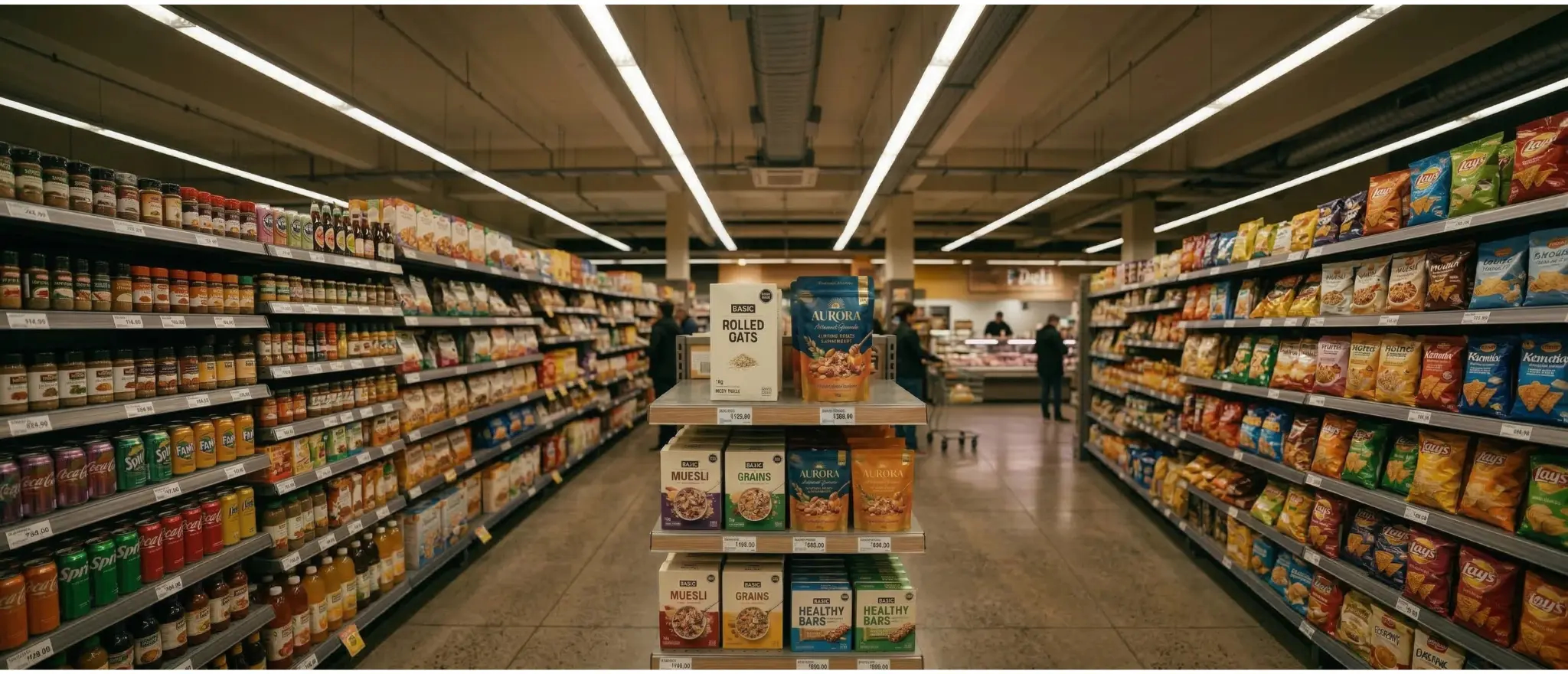
    Walk into any supermarket in Mumbai’s Andheri or Ahmedabad’s CG Road and count how many FMCG products scream for your attention simultaneously. Dozens. Sometimes hundreds. In this brutal battlefield of shelves, your packaging is not just a container  it is your brand’s first salesperson, silent pitch, and silent closer all rolled into one.

    Yet, most FMCG brands in India treat packaging as an afterthought. They focus on the product quality, the pricing, the distribution  and then rush the design at the last minute. The result? A brand that deserves to win, losing to a competitor with better design but an average product.

    At Richest Branding, we have seen this pattern play out across Mumbai, Pune, Baroda, and even international markets like Dubai and Singapore. The fix is not expensive. But it requires strategy. Let us break it down.

    1. The 3 Second Rule: Why First Impressions Are Everything

    Research consistently shows that a consumer decides whether to pick up or ignore an FMCG product within three seconds of seeing it. Three seconds. That is less time than it takes to read this sentence.

    This means your packaging design must do the heavy lifting instantly. Color, shape, typography, and logo placement must work together to send one clear message: Pick me. Trust me. Buy me.

    Brands like Haldiram’s and Paper Boat have mastered this. Their packaging tells a story, evokes emotion, and creates trust  all before a single word is read consciously. This is not accident. This is deliberate, strategic design.

    What Weak Packaging Usually Gets Wrong:

    • Too much text, not enough visual hierarchy
    • Generic color palettes that blend into competitors
    • Fonts that are illegible at a distance
    • No clear hero element or focal point
    • Missing emotional trigger  the ‘feel’ that connects with the buyer


    2. Packaging Architecture: More Than Just Pretty Colors

    Strategic packaging design is a discipline, not just aesthetics. At Richest Branding, we approach every FMCG packaging project through what we call Packaging Architecture  a structured process that combines brand strategy with visual design to create packaging that works at every touchpoint.

    The 5 Pillars of Strategic FMCG Packaging:
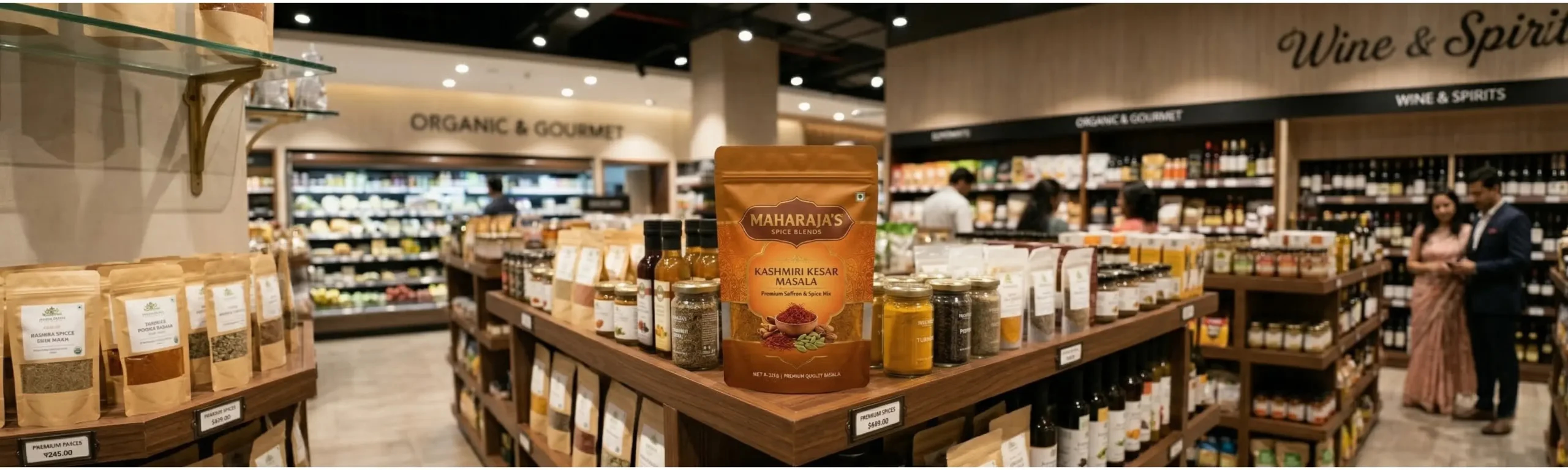
    • Brand Clarity Your logo, name, and category must be instantly readable
    • Shelf Impact Bold colors, contrast, and form that stands out from 3 feet away
    • Consumer Psychology Colors, imagery, and copy that trigger the right emotions
    • Information Hierarchy Lead with benefits, support with specs, close with trust
    • Material & Finish Strategy Matte, gloss, emboss every texture sends a signal


    3. The Indian FMCG Consumer Has Evolved Has Your Packaging?

    Today’s consumer in Mumbai, Bengaluru, and Ahmedabad is more sophisticated than ever. They compare, they scrutinize, they Google, and they trust their gut simultaneously. Post-pandemic, there has been a massive shift toward brands that feel premium, clean, and trustworthy  even in everyday product categories like snacks, spices, and beverages.

    If your packaging still looks like it was designed in 2010, your consumer is already mentally dismissing you before they reach for your product. Rebranding or upgrading your packaging is not an expense  it is the highest-return investment a product brand can make.

    4. Lessons from Winning FMCG Packaging India & Global

    Some of the most dramatic FMCG sales transformations we have seen come not from changing the product but from changing how it looks. A Baroda-based namkeen brand we worked with saw distributor orders increase significantly within months of their packaging redesign  not because the recipe changed, but because retailers were now proud to display the product prominently.

    Similarly, an Ahmedabad-based spice brand that exports to the UAE and Oman told us their new packaging design was the single biggest factor in cracking premium supermarkets in Dubai. International buyers make quick judgments. Your packaging must speak their visual language.

    5. When to Know It Is Time to Redesign Your FMCG Packaging
    Not every brand needs a complete overhaul. But these are clear signals that your packaging is overdue for strategic attention:

    • Your sales have plateaued despite the product quality being strong
    • Retailers give your product poor shelf placement
    • Consumers describe your brand as ‘okay’ or ‘average looking’
    • You are entering a new market city, state, or country
    • A competitor has recently upgraded their design
    • Your packaging looks different across variants, with no cohesive family feel

    6. The Richest Branding Approach to FMCG Packaging

    We are not a studio that makes things look pretty. We are a strategic brand building agency that uses design as a tool to grow businesses. Every FMCG packaging project we take on starts with brand strategy  understanding who you are, who your consumer is, and what shelf position you need to own.

    From Mumbai to Dubai, from Pune to Singapore, the brands we have built with strategic packaging have gone on to command better prices, better shelf space, and better consumer loyalty. Because when packaging is designed with purpose, it does not just sell  it builds empires.


    Ready to Build a Brand That Builds Empires?

    Strategy • Design • Impact

    richestbranding.com  |  info@richestbranding.com

    Richest Branding — Strategic Branding that Builds Empires   


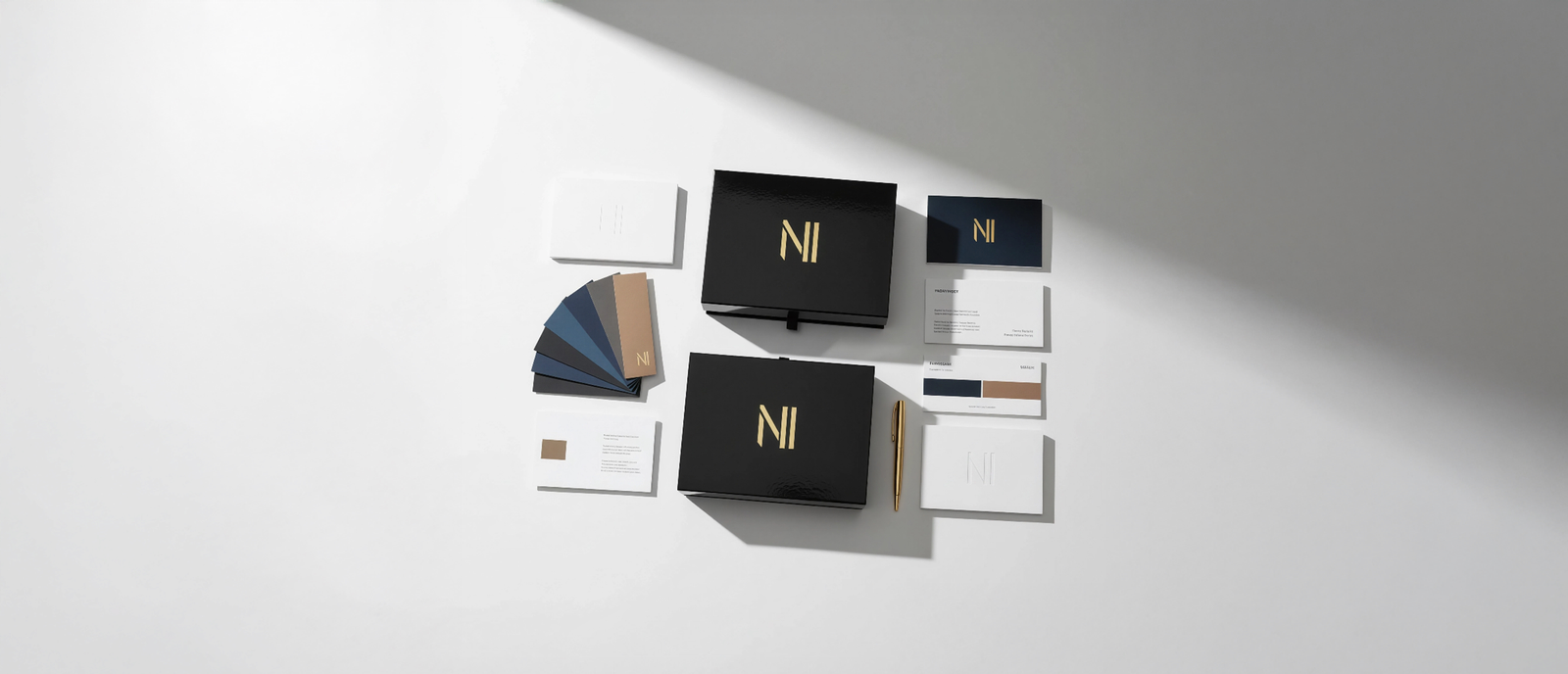
  • Elevating Your Brand with Premium Luxury Packaging Solutions

    Elevating Your Brand with Premium Luxury Packaging Solutions

    In a world where consumers are inundated with options, your packaging is more than just a container—it’s a statement. Investing in luxury packaging solutions turns your product into an experience, conveys premium quality, and elevates your brand identity. At Richest Branding we understand that packaging isn’t just functional—it’s the first moment a customer touches your brand.

    What Are Luxury Packaging Solutions?

    Luxury packaging solutions refer to packaging designs and executions that go beyond standard boxes and cartons. They employ premium materials, sophisticated finishes, tactile details, and strategic design to deliver an upscale feel and brand perception. When done right, luxury packaging solutions create an emotional connection, reinforce prestige, and invite unboxing rituals that delight customers.

    Why Luxury Packaging Solutions Matter for Your Brand

    When a product is housed in packaging that speaks luxury, it immediately differentiates the item from mass-market competitors. The right luxury packaging solutions can:

    • Instill a premium perception, making customers feel they are buying something exclusive.
    • Enhance brand storytelling through design, materials and presentation.
    • Increase perceived value and justify higher price points.
    • Create a memorable unboxing experience that customers share (and amplify via social media).

    At Richest Branding, our philosophy is that packaging should reflect the brand’s ethos and promise. When you partner with us, we look at every detail—from structure to finish—to deliver standout luxury packaging solutions that align with your brand vision.

    Key Components of Effective Luxury Packaging Solutions

    To craft truly premium luxury packaging solutions, brands should focus on the following elements:

    • Premium Materials & Structure – Rigid boxes, specialty paper, soft-touch coatings, foil stamping, embossing, magnetic closures—all elevate the tactile and visual feel. Studies on top luxury packaging show high-end brands consistently use these features.
    • Design Consistency with Brand Identity – Your packaging must reflect your brand’s personality: luxury might mean minimalism for one brand, ornate detailing for another.
    • Attention to Unboxing Experience – The journey from outer box to product should feel layered, considered, and premium. Each step builds anticipation and satisfaction.
    • Sustainability Meets Premium – Modern consumers expect eco-responsible packaging without sacrificing luxury. High-end brands are integrating recyclable materials, refill systems, and responsible sourcing.
    • Clear Visual Hierarchy & Finishes – Strategic use of metallic foils, textures, spot UV, and contrast can elevate perceived luxury. Case studies show how brands use texture and materials to signal premium positioning.

    How Brands Can Deploy Luxury Packaging Solutions Successfully

    1. Define your luxury positioning – What does luxury mean for your brand? Is it heritage, craftsmanship, exclusivity, sustainability? This definition shapes your packaging.
    2. Audit your entire packaging ecosystem – From outer shipper to primary pack, every layer counts in delivering luxury packaging solutions.
    3. Choose materials and finishes that match your story – If your brand is eco-luxury, opt for textured recycled boards, subtle foils and minimalist design. If it’s heritage craftsmanship, consider premium rigid boxes, velvet linings or bespoke embossing.
    4. Focus on functionality and unboxing – Luxury doesn’t mean impractical. Your packaging must protect, open with ease, and deliver that premium feel at first touch.
    5. Ensure scalability and repeatability – Work with a partner or agency that knows how to deliver luxury packaging solutions consistently across SKUs and geographies. That’s something Richest Branding emphasises in its premium packaging service offering.
    6. Measure impact – Track metrics like customer feedback, social media unboxing presence, repeat purchase rates, and how packaging influences perceived value and brand preference. The global market for high-end packaging is growing rapidly, reflecting how investment in premium packaging correlates with brand growth.

    Why Choose Richest Branding for Your Packaging Needs

    When you partner with Richest Branding for luxury packaging solutions, you gain more than design. You gain strategy, insight and global execution capabilities. With a track record spanning premium brands and export-ready packaging, Richest Branding combines creative excellence with technical know-how. Whether it’s bespoke rigid boxes, premium print finishes, or sustainable luxury packaging solutions, the expertise is there. Their philosophy—“we don’t just design brands, we build success stories” — resonates deeply in their work. 

    Final Thoughts

    In the competitive world of premium goods, packaging is your silent brand ambassador. Investing in luxury packaging solutions means investing in brand perception, customer experience, and long-term market position. With thoughtful design, premium materials, strategic storytelling and consistent execution, your packaging becomes a powerful differentiator. And with a partner like Richest Branding, you can ensure your packaging does justice to your brand’s promise.

    Frequently Asked Questions (FAQs)

    1. What exactly are luxury packaging solutions?
    Luxury packaging solutions are high-end packaging designs tailored to convey premium quality, exclusivity and brand prestige. They focus on materials, finishes, unboxing experience and brand consistency.

    2. How much more do luxury packaging solutions cost compared to standard packaging?
    Costs vary widely depending on materials, finishes, structure, and volume. While standard cartons might cost mere cents per unit, premium boxes with rigid construction, foil stamping, magnetic closures or embossing can cost several times more. The investment often pays off through enhanced perceived value and customer loyalty.

    3. Can luxury packaging solutions also be sustainable?
    Absolutely. The best luxury packaging solutions today combine premium aesthetics with responsible sourcing, recycled materials, and reusable or refillable systems. Brands who do this effectively show that sustainability and luxury are not mutually exclusive. 

    4. When should a brand consider upgrading to luxury packaging solutions?
    Consider upgrading when your brand is aiming for premium positioning, launching a special edition, targeting high-end customers, or expanding into export markets where packaging quality influences perceived value. The growth in the luxury packaging market signals that brands recognizing this are gaining advantage. 

    5. How long does it take to design and implement luxury packaging solutions?
    The timeline depends on complexity: concept development, material sourcing, finish testing, prototyping, production and logistics. For bespoke premium packaging, two to four months is common, but simpler upgrades might take 4-6 weeks. Working with an experienced agency such as Richest Branding can streamline the process.

  • Elevate Your Online Presence with Custom Website Design Services

    Elevate Your Online Presence with Custom Website Design Services

    In the digital age, your website is often the first impression potential customers have of your business. A strong, engaging, and user-friendly website isn’t just a necessity it’s a competitive advantage. That’s where custom website design services come in. Instead of relying on generic templates or cookie-cutter layouts, custom design ensures your online presence truly reflects your brand identity, values, and goals.

    At Richest Branding, we believe every website should tell a story — your story. A website is more than just a digital storefront; it’s a powerful communication tool that defines how people perceive your brand, interact with your products, and decide whether to trust you.

    What Are Custom Website Design Services?

    Custom website design services involve creating a website from the ground up, tailored specifically to your brand’s vision and target audience. Unlike template-based designs, custom websites give you full control over functionality, structure, visuals, and user experience.

    A custom website is strategically built to match your business goals. Whether you want to increase leads, enhance sales, or elevate your brand image, the design, navigation, and features are crafted to support those outcomes.

    At Richest Branding, our team of creative designers and developers collaborate closely with clients to deliver unique websites that combine visual appeal, usability, and high performance.

    Why Custom Website Design Services Matter

    Your website is your digital handshake it can either build trust instantly or push potential customers away. A well-designed, custom website ensures that every click, scroll, and interaction feels purposeful and aligned with your brand.

    Here’s why investing in custom website design services is crucial:

    • Unique Brand Identity – Stand out from competitors with a one-of-a-kind website that reflects your brand personality.
    • Better User Experience (UX) – Custom sites are designed for your audience’s behavior, ensuring smoother navigation and higher engagement.
    • Scalability and Flexibility – As your business grows, your custom site can easily adapt with new features, content, or integrations.
    • Improved SEO Performance – Clean code and optimized structure make your site more search-engine friendly.
    • Higher Conversion Rates – When design, functionality, and storytelling align, visitors are more likely to take action.

    The Process of Creating a Custom Website

    1. Discovery & Strategy
      The process begins with understanding your business, goals, audience, and competition. This foundation ensures that your custom website design services align perfectly with your strategy.
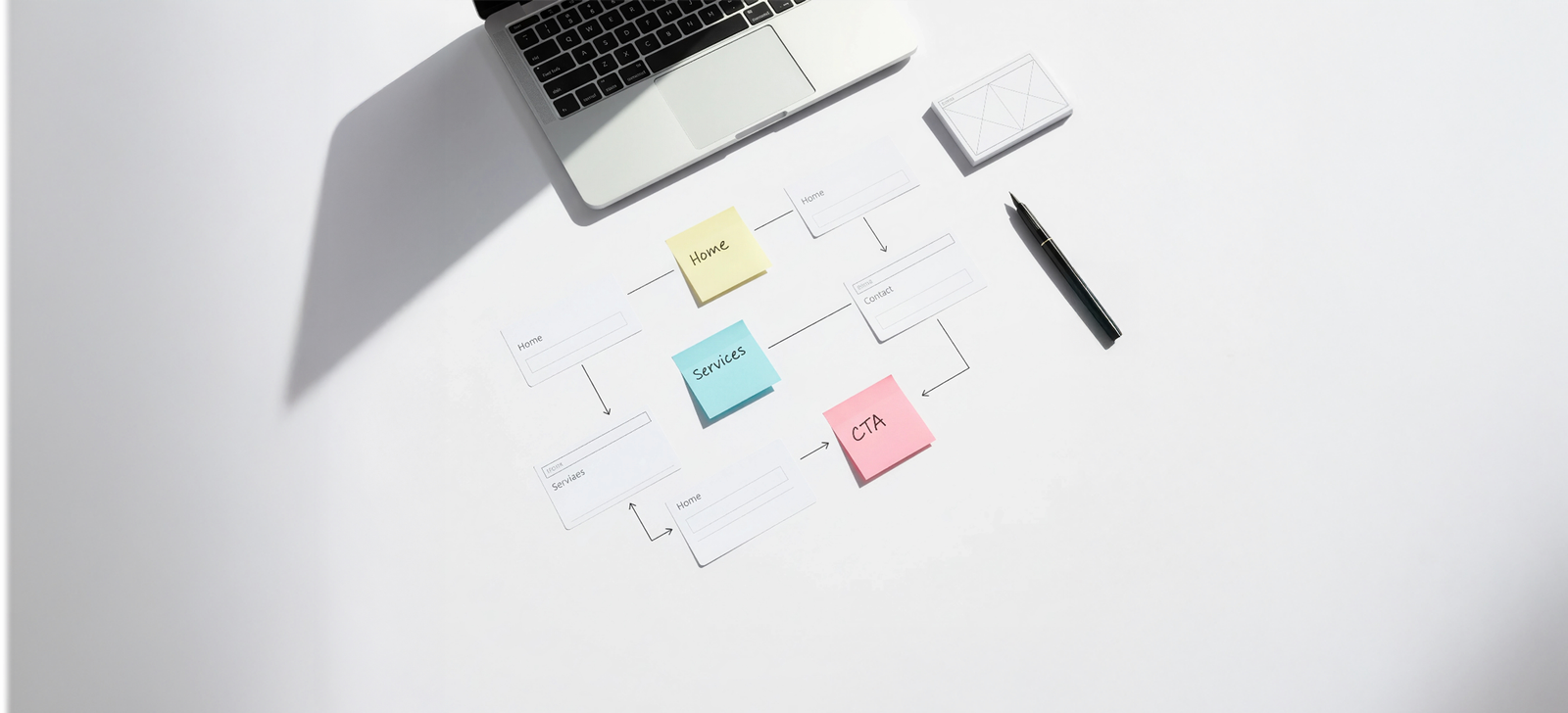
    2. Design & Wireframing
      At this stage, designers at Richest Branding craft wireframes and mockups that visualize how your website will look and function, maintaining consistency with your brand identity.
    3. Development & Integration
      Once approved, developers turn the design into a fully functional website. With the latest coding standards, integrations, and mobile-friendly frameworks, your site performs smoothly across all devices.
    4. Testing & Optimization
      Every custom site undergoes rigorous testing for performance, security, and responsiveness before going live.
    5. Launch & Maintenance
      After launch, ongoing maintenance and updates ensure your site stays fresh, secure, and optimized for evolving market trends.

    Benefits of Choosing Custom Website Design Services

    • Distinctive Branding – A tailor-made website captures your company’s unique story and visuals, leaving a lasting impression.
    • Enhanced Security – Custom websites often include advanced security features, reducing risks from vulnerabilities common in template sites.
    • Optimized Performance – Fast loading times, SEO-friendly structure, and seamless user flow help improve rankings and user satisfaction.
    • Greater Control – With custom website design services, you decide every element from layout to content management systems (CMS).

    By partnering with Richest Branding, you’re not just getting a website; you’re getting a digital asset built to attract, engage, and convert.

    Why Choose Richest Branding

    What sets Richest Branding apart is our holistic approach. We don’t just build websites we build digital experiences that elevate your entire brand ecosystem. Our experts understand that design, content, and technology must work together to deliver measurable results.

    From sleek landing pages to complex e-commerce platforms, our custom website design services are tailored to enhance your visibility, strengthen your credibility, and drive revenue growth. With a focus on creativity, strategy, and innovation, we ensure every design aligns with your long-term brand vision.

    Final Thoughts

    Your website is the heart of your digital identity. Investing in custom website design services means investing in your brand’s future. A strategically designed website not only attracts visitors but also converts them into loyal customers.

    With the expertise of Richest Branding, your business can achieve a website that’s visually striking, technologically advanced, and fully aligned with your goals. Because in today’s world, your website isn’t just an online presence it’s your most powerful brand ambassador.

    Frequently Asked Questions (FAQs)

    1. What are custom website design services?
    They involve creating a unique, tailor-made website that reflects your brand’s identity, goals, and user experience unlike generic templates.

    2. Why should I invest in a custom website instead of a template?
    Custom website design services provide flexibility, scalability, and uniqueness, ensuring your brand stands out while performing better in SEO and conversions.

    3. How long does it take to build a custom website?
    The timeline varies depending on complexity, but typically ranges from 6 to 12 weeks, including design, development, and testing.

    4. Can Richest Branding help redesign my existing website?
    Yes! Richest Branding specializes in both new builds and website redesigns, ensuring your site aligns with modern design and functionality standards.

    5. Are custom websites mobile-friendly and SEO-optimized?
    Absolutely. All our custom website design services include responsive design and built-in SEO optimization for better visibility across devices and search engines.

  • Unlocking Growth with a Smart Brand Differentiation Strategy

    Unlocking Growth with a Smart Brand Differentiation Strategy

    In a world overflowing with similar products and services, one question defines business success: What makes your brand different? The answer lies in building a powerful brand differentiation strategy — a framework that helps your business stand out, connect emotionally, and build lasting customer loyalty.

    At Richest Branding, we believe that differentiation isn’t just about being different; it’s about being meaningful. When your audience understands why you exist and what sets you apart, your brand moves from being just another option to becoming the preferred choice.

    What is a Brand Differentiation Strategy?

    A brand differentiation strategy defines how your brand creates a unique position in the market. It focuses on what makes you distinct — whether that’s your purpose, your promise, or your personality.

    Instead of competing on price or features, differentiation means communicating a clear value that resonates with your ideal customers. It’s the difference between being noticed and being remembered.

    Why a Brand Differentiation Strategy Matters

    Every successful business has one thing in common — clarity. A strong brand differentiation strategy provides that clarity by helping you define what makes your brand special.

    When consumers have endless choices, they don’t just buy products; they buy stories, emotions, and experiences. Brands that clearly express their uniqueness attract loyal customers, command premium pricing, and sustain growth over time.

    For instance, Richest Branding helps brands identify their core strengths and transform them into memorable experiences that connect with customers on both rational and emotional levels.

    Key Steps to Build an Effective Brand Differentiation Strategy

    1. Know Your Audience Deeply
      Before defining how you’re different, you must understand who you’re talking to. What problems do your customers face? What values do they care about most? A well-researched audience profile is the foundation of a solid brand differentiation strategy.
    2. Analyze Competitors
      Identify how competitors position themselves and find gaps in the market. This allows you to occupy a space no one else owns — something unique and defensible.
    3. Define Your Brand Promise
      What can customers consistently expect from your brand? Whether it’s superior quality, sustainability, or innovation, your promise must align with your audience’s values.
    4. Create a Unique Brand Identity
      From your logo to your tone of voice, visual design, and storytelling, every element should reinforce your brand’s personality. This consistency helps your brand differentiation strategy come alive across all touchpoints.
    5. Deliver and Communicate Consistently
      A strategy is only as strong as its execution. Consistent messaging across packaging, social media, and advertising builds recognition and trust over time.

    Examples of Successful Brand Differentiation Strategies

    • A food brand focusing on organic, farm-to-table sourcing builds differentiation through authenticity and sustainability.
    • A tech company emphasizing ease of use and human-centered design differentiates itself through simplicity.
    • Service brands that invest in exceptional customer experiences use emotion as their key differentiator.

    Each of these examples demonstrates how a clear brand differentiation strategy allows companies to connect deeply with their target market.

    The Benefits of a Strong Brand Differentiation Strategy

    • Increased Brand Loyalty – Customers are more likely to return to a brand that feels aligned with their beliefs.
    • Higher Perceived Value – A differentiated brand can command premium pricing because it offers something unique.
    • Reduced Competition – Instead of blending in, you create your own space in the market.
    • Stronger Internal Alignment – Your team understands your purpose, promise, and goals.

    With the guidance of Richest Branding, many companies have transformed from generic to unforgettable — crafting stories that resonate and experiences that inspire trust.

    How Richest Branding Helps You Stand Out

    Developing a brand differentiation strategy requires expertise in research, positioning, and creative execution. Richest Branding combines strategic insight with design thinking to help businesses uncover their uniqueness and express it authentically.

    Whether you’re launching a new brand or refreshing an existing one, their consultation process focuses on defining your positioning, clarifying your purpose, and creating a unified brand experience that differentiates you in meaningful ways.

    Final Thoughts

    Differentiation isn’t about shouting louder — it’s about speaking clearer. Your brand differentiation strategy is the blueprint that defines how your audience perceives you and why they choose you over others.

    With the right guidance, focus, and creativity, your brand can rise above the noise and own a distinctive space in the minds and hearts of your customers. Partnering with experts like Richest Branding ensures your story isn’t just heard but remembered.

    Frequently Asked Questions (FAQs)

    1. What is a brand differentiation strategy?
    It’s a plan that defines how your brand stands out in the market by emphasizing unique attributes, messaging, and values that connect with your audience.

    2. Why is brand differentiation important?
    A clear brand differentiation strategy helps you avoid competing on price, build customer loyalty, and create a stronger brand identity that resonates.

    3. Can small businesses use a differentiation strategy effectively?
    Yes! Smaller businesses often benefit more because they can focus on niche audiences and craft personalized experiences that big brands can’t replicate.

    4. How long does it take to see results from a brand differentiation strategy?
    It depends on your market and communication efforts. Most brands begin seeing measurable impact within 6–12 months of consistent implementation.

    5. How does Richest Branding help businesses differentiate?
    Through deep market research, creative storytelling, and design innovation, Richest Branding crafts unique brand experiences that position businesses for long-term growth.

  • The Power of Packaging Design for FMCG: Building Brands That Sell

    The Power of Packaging Design for FMCG: Building Brands That Sell

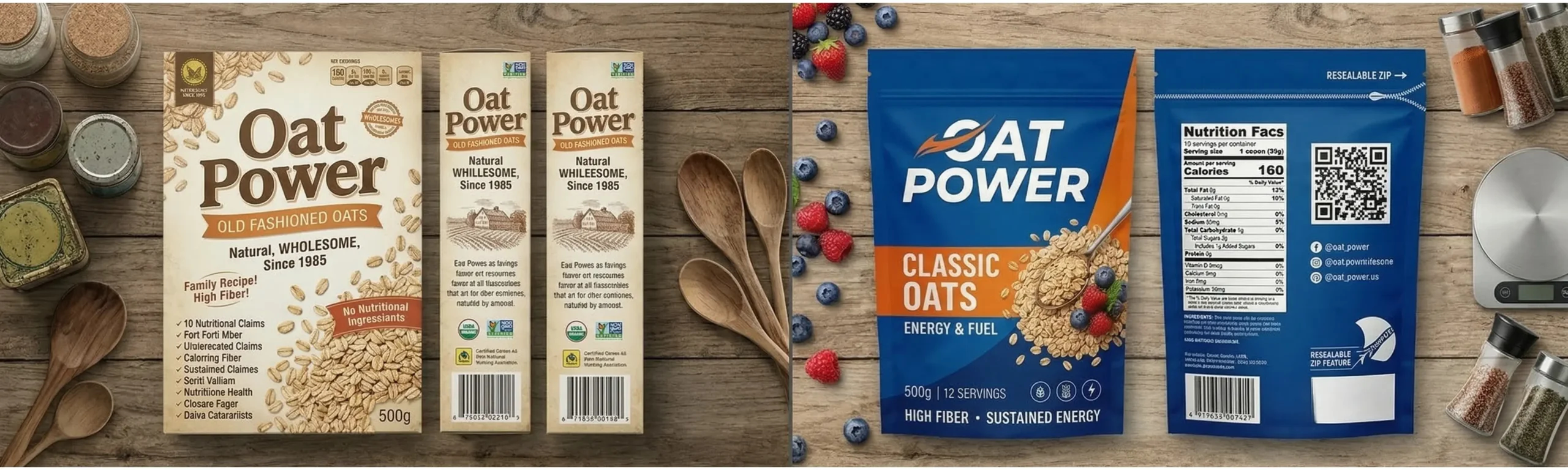
    In the fast-moving consumer goods (FMCG) industry, first impressions matter more than ever. With supermarket shelves overflowing with similar products, a brand’s success often depends on one crucial factor—packaging design for FMCG. Packaging is no longer just a container; it’s a silent salesperson that speaks directly to consumers, influences purchase decisions, and builds brand loyalty.

    Why Packaging Design for FMCG Matters

    Effective packaging design for FMCG goes beyond aesthetics. It’s about creating a brand story that connects emotionally with consumers while communicating essential information clearly. In the competitive FMCG market, brands have only a few seconds to grab attention. A well-designed package ensures that your product stands out, builds recognition, and drives impulse buying.

    Color psychology, typography, structure, and material choice all play vital roles in shaping perception. For example, eco-friendly packaging can appeal to sustainability-conscious consumers, while bold, vibrant colors attract younger audiences. The ultimate goal is to align your packaging design with your brand identity and target audience preferences.

    Elements of an Effective FMCG Packaging Design

    When creating an impactful packaging design for FMCG, brands must focus on a few key principles:

    1. Brand Consistency – Your packaging should instantly reflect your brand. From logo placement to color palette, every element must be consistent across your product range.
    2. Clarity and Simplicity – Overly complex designs confuse consumers. Simplicity in messaging ensures the product’s purpose is immediately clear.
    3. Shelf Impact – FMCG products compete in crowded spaces. The design must command attention from afar and hold interest up close.
    4. Functionality – Beyond looks, good packaging should protect the product, be easy to open, and enhance user experience.
    5. Sustainability – Modern consumers prefer eco-conscious packaging. Using recyclable or biodegradable materials boosts your brand’s credibility.

    The Role of Innovation in Packaging Design for FMCG

    Innovation is at the heart of successful packaging design for FMCG. Smart packaging technologies like QR codes, augmented reality, or freshness indicators are becoming popular, transforming the way consumers interact with products. These innovations not only enhance engagement but also provide brands with valuable insights into consumer behavior.

    Additionally, unique structural designs—like resealable pouches or minimalist refill systems—add convenience and appeal, further differentiating a brand in the marketplace.

    Emotional Connection and Storytelling

    In today’s market, people buy emotions, not just products. Strategic packaging design for FMCG can tell a story that resonates with consumers. Whether it’s a nostalgic touch, a sense of luxury, or a commitment to sustainability, packaging communicates a brand’s core message instantly. Story-driven design builds trust, evokes emotion, and converts first-time buyers into loyal customers.

    Digital Influence and E-commerce Readiness

    As online shopping for FMCG grows, packaging must now perform well both on the shelf and on the screen. High-quality visuals, clean layouts, and readable text ensure that your packaging design for FMCG looks appealing in digital marketplaces. Brands that optimize packaging for e-commerce stand out even before a consumer clicks “add to cart.”

    Partnering with a Professional Agency

    Creating a standout packaging design for FMCG requires strategic thinking, creativity, and technical precision. Partnering with an experienced branding and packaging agency—like Richest Branding—can make all the difference. Experts understand market trends, consumer psychology, and printing technologies that bring your vision to life while maintaining functionality and compliance.

    Final Thoughts

    In an industry defined by speed, choice, and innovation, packaging design for FMCG is your brand’s most powerful tool. It captures attention, conveys values, and inspires action—all within seconds. Investing in professional packaging design not only boosts sales but also strengthens your long-term brand identity.

    Frequently Asked Questions (FAQs)

    1. Why is packaging design so important for FMCG products?
    Because consumers make quick decisions, packaging design plays a key role in influencing their choices and differentiating your brand from competitors.

    2. How does packaging design affect consumer perception?
    The design communicates your brand’s personality, quality, and trustworthiness. A well-crafted packaging design for FMCG instantly creates a positive impression.

    3. What trends are shaping modern FMCG packaging?
    Sustainability, minimalism, interactive elements, and digital-friendly designs are dominating the current packaging design for FMCG landscape.

    4. How can brands ensure their packaging design stands out?
    By using strong visuals, consistent branding, and innovative materials while ensuring the design aligns with target audience expectations.

    5. Can professional agencies really make a difference?
    Absolutely. A specialized agency understands how to craft an effective packaging design for FMCG that blends creativity, strategy, and market insights to deliver measurable results.

  • Corporate Brand Strategy Development: Building Enduring Brand Power with Richest Branding

    Corporate Brand Strategy Development: Building Enduring Brand Power with Richest Branding

    In an increasingly noisy marketplace, a strong corporate identity requires more than just a logo or tagline. True success begins with Corporate brand strategy development—a disciplined, purposeful process that shapes your business’s vision, values, and perception. At Richest Branding, we specialize in helping organizations define, refine, and execute brand strategies that last.

    Whether you’re a startup, mid-sized company, or large enterprise, Corporate brand strategy development enables you to clarify your positioning, differentiate from competition, and build long-term customer trust. When done right, it aligns your internal culture and external messaging to deliver consistent experiences that every stakeholder can believe in.

    Why Corporate Brand Strategy Development Matters

    Here’s why investing in Corporate brand strategy development is essential for modern businesses:

    1. Clarity of Purpose & Vision
      A well-crafted strategy helps you articulate why your organization exists beyond profit. It defines vision and mission. Without clarity, messaging becomes inconsistent, which dilutes your impact.
    2. Differentiation in the Market
      Many companies offer similar products or services. Through Corporate brand strategy development, you can establish unique value propositions, tell your distinct story, and stand out.
    3. Consistency Across All Touchpoints
      From marketing materials to customer service, every interaction should reflect your brand. A unified corporate strategy ensures that your visual identity, tone of voice, and culture deliver a coherent experience.
    4. Internal Alignment & Culture
      Your employees are critical ambassadors. A strong strategy from Richest Branding aligns internal teams around shared values, helping them deliver on promises and represent the brand authentically.
    5. Resilience & Adaptability
      Markets change, competitors evolve, customer expectations shift. With solid Corporate brand strategy development, you build a brand that’s flexible enough to adapt yet anchored enough to remain true to your core.

    How Richest Branding Approaches Corporate Brand Strategy Development

    At Richest Branding, our process for Corporate brand strategy development is methodical, collaborative, and strategic. Here’s how we do it:

    1. Discovery & Research
      We begin by understanding your business – your history, mission, values, current positioning, stakeholder perceptions, and competitive environment. We also engage with your leadership and employees to gather internal insight.
    2. Strategic Clarity
      This phase involves defining your vision, mission, and values more clearly. We also work to create your Unique Value Proposition (UVP). What makes your organization different? What promise do you deliver?
    3. Brand Positioning & Messaging
      Once the foundational elements are in place, we construct the brand positioning—how you want to be perceived in the minds of your audience. We develop a messaging framework that includes the tone of voice, personality, key messages, and storytelling pillars.
    4. Visual & Verbal Identity
      Strategy only works when expressed. We translate the strategy into visual identity (logo, typography, color palette, imagery style) and verbal identity (taglines, copy style). These elements give life to your strategy.
    5. Implementation Roadmap
      Good Corporate brand strategy development plans include execution. We map out which brand touchpoints need alignment (website, marketing channels, internal communication, collateral), define guidelines, and set up processes for rollout.
    6. Monitoring & Evolution
      Strategy isn’t static. At Richest Branding, we establish metrics and tools to measure brand perception, awareness, engagement, and more. Based on feedback, market changes, or business shifts, the strategy can evolve while remaining true to the core.

    Key Benefits You Can Expect with Richest Branding’s Strategy

    When you engage Richest Branding for Corporate brand strategy development, you’ll get benefits such as:

    • Stronger brand equity which helps with trust, customer loyalty, and higher perceived value
    • Clearer decision-making, since every branding and marketing decision ties back to your strategy
    • Increased efficiency: with guidelines and consistency, you reduce rework, miscommunication & wasted effort
    • Enhanced stakeholder alignment: employees, partners, investors all understand and believe in the brand promise
    • Better positioning in competitive markets, leading to enhanced growth and market share

    Case Scenarios When Corporate Brand Strategy Development Is Crucial

    Some situations where Corporate brand strategy development is particularly valuable include:

    • Startup or launch phase: defining identity from scratch
    • Rebranding or brand refresh: when current identity is outdated, inconsistent, or misaligned with new ambition
    • Mergers or acquisitions: aligning multiple entities under a single corporate brand
    • Market expansion (new segments, geographies): ensuring cohesion while localizing appropriately
    • Crisis management or reputation repair: restoring trust and clarifying brand values

    Challenges & How Richest Branding Helps Overcome Them

    Though essential, Corporate brand strategy development may raise challenges:

    • Resistance to change internally, especially if employees are accustomed to old ways
    • Difficulty in balancing between consistency and flexibility in different markets or channels
    • Ensuring strategy is actionable, not just aspirational
    • Measuring intangible outcomes like reputation or brand perception

    Richest Branding addresses these by involving stakeholders early, building clear guidelines, defining measurable KPIs, and maintaining iterative feedback loops.

    Conclusion

    Corporate brand strategy development is not a luxury — it’s a foundation for sustainable, meaningful, and differentiated brand presence. Richest Branding helps you chart this journey with expertise, structure, and creativity. Together, you can build a brand that isn’t just seen, but trusted, remembered, and relevant.

    If your organization is ready to define its future, shape its identity, and stand out with clarity, reach out to Richest Branding for world-class Corporate brand strategy development.


    FAQs

    1. What is Corporate brand strategy development?
    Corporate brand strategy development is the process of defining a company’s core purpose, values, messaging, positioning, visual identity, and internal culture in a way that aligns all brand touchpoints. It ensures a unified and consistent brand experience across all audiences. Richest Branding specializes in guiding companies through this process.

    2. How long does a Corporate brand strategy development process take?
    Timeline depends on scope: an organization’s size, complexity, number of stakeholders, market complexity, and how much research or auditing is required. Generally, it can take 4-8 weeks for a full strategy from definition through messaging and identity alignment, though more extensive projects (international markets, large product portfolios etc.) may take longer. Richest Branding customizes timelines per client.

    3. What is included in Corporate brand strategy development with Richest Branding?
    As mentioned, Richest Branding’s service typically includes: discovery & research; vision, mission & values definition; competitive analysis; brand positioning and messaging; visual & verbal identity framework; rollout plan including guidelines; and monitoring and measurement frameworks.

    4. How will I measure the success of Corporate brand strategy development?
    Key metrics include brand awareness (both aided & unaided), customer perception & sentiment, consistency across touchpoints, employee alignment and adoption, engagement (online & offline), retention and loyalty rates. Over time metrics such as market share, premium pricing, or brand equity can also be assessed. Richest Branding helps set up these metrics early.

    5. When is it time to invest in Corporate brand strategy development?
    Some triggers include: feeling that your brand is inconsistent; customer feedback complaining about a disconnect; expansion to new markets; product or service diversification; need to reposition due to competition; or simply wanting to refresh your brand to stay relevant. If you have a sense that your messaging or brand identity no longer matches your business goals, a strategy development with Richest Branding can help realign.

  • Why Eco-Friendly Packaging Design Is the Future of Sustainable Branding

    Why Eco-Friendly Packaging Design Is the Future of Sustainable Branding

    In an age where consumers are more conscious than ever about environmental impact, adopting Eco-friendly packaging design isn’t just a trend—it’s a necessity. Companies that invest in green packaging not only reduce their environmental footprint but also create a stronger relationship with customers. As a leader in sustainable design, Richest Branding specializes in creating packaging solutions that merge aesthetics with responsibility.

    Whether you’re launching a new product line or rethinking your old packaging, Eco-friendly packaging design ensures that every touchpoint reflects your commitment to sustainability, while reinforcing your brand values.

    Benefits of Eco-Friendly Packaging Design

    Implementing Eco-friendly packaging design offers multiple advantages for businesses and the planet alike. Some key benefits include:

    1. Reduced Environmental Impact
      Using biodegradable, compostable, or recycled materials helps lower waste levels, reduces plastic pollution, and contributes to conservation of resources.
    2. Enhanced Brand Reputation
      Consumers increasingly prefer brands that show environmental responsibility. Eco-friendly packaging design improves your public image, builds trust, and often gives you an edge over competitors.
    3. Cost Savings Over the Long Term
      Though sustainable materials may cost more initially, they often lead to savings via reduced material usage, lighter packaging (which lowers shipping costs), and fewer disposal or regulatory penalties.
    4. Regulatory Compliance & Market Access
      Many governments have begun enforcing strict rules on single-use plastics and packaging waste (like EPR laws). Eco-friendly packaging design helps brands stay ahead of such regulations.
    5. Better Consumer Engagement & Loyalty
      When consumers see your packaging is eco-friendly, they feel part of a shared mission. That often translates into loyalty, higher perceived value, and positive word-of-mouth.

    Trends in Eco-Friendly Packaging Design

    To make the most of sustainable packaging, here are some current trends that Richest Branding aligns with:

    • Biodegradable and Compostable Materials: Using plant-based plastics, sugarcane bagasse, recycled paper, and other materials that decompose naturally.
    • Minimalist and Lightweight Design: Designs that use fewer layers, less material, reducing waste and transport weight.
    • Reusable / Refillable Packaging Models: Solutions where packaging can be reused or refilled, extending lifespan and reducing single-use waste.
    • Smart & Transparent Packaging: Clear indications of materials, recycling info, perhaps QR codes for traceability or sustainability data.
    • Natural finishes, earth tones, and organic textures that highlight the eco-credentials of the packaging.

    How Richest Branding Executes Eco-Friendly Packaging Design

    At Richest Branding, our approach to Eco-friendly packaging design combines creativity, strategy, and materials science. Here’s our process:

    1. Discovery & Material Research – We assess product, supply chain, budget and environmental goals to select suitable sustainable materials.
    2. Design Concepts – Draft multiple packaging layouts that balance aesthetics, functionality, and sustainability.
    3. Prototype & Testing – Produce models to test durability, print quality, biodegradability, user experience.
    4. Consumer & Regulatory Check – Ensure compliance with environmental laws, labeling requirements, and that the packaging is user-friendly.
    5. Implementation & Roll-Out – Finalize design, source sustainable materials, manage production, and guide the packaging’s life cycle.

    Our goal at Richest Branding is to deliver Eco-friendly packaging design solutions that protect both your product and the planet, without compromising on style or brand impact.

    Why Your Business Needs Eco-Friendly Packaging Design Now

    • Consumer Demand is Rising: Modern consumers often choose brands that reflect their values. If your packaging isn’t eco-friendly, you risk losing out.
    • Cost of Non-Compliance: Regulations are tightening. Non-compliance with packaging waste laws can lead to fines or barriers in certain markets.
    • Long-Term Brand Value: Sustainable packaging reinforces your brand’s credibility, opens doors for sustainable certifications, and creates positive press & customer loyalty.

    Conclusion

    Eco-friendly packaging design is more than a design choice—it’s a strategic investment. With environment in mind, businesses can build stronger brands, reduce costs, and contribute positively to the planet. When you work with Richest Branding, you partner with experts who understand the materials, trends, and regulations, creating packaging that aligns with your sustainability goals while enhancing your visual identity.

    If you’re ready to make the switch, Richest Branding is here to help you design packaging that looks good, performs well, and respects the environment.


    FAQs

    1. What is eco-friendly packaging design?
    Eco-friendly packaging design refers to creating packaging that uses sustainable materials (like recycled, biodegradable, compostable) and considers the full lifecycle—from production to disposal—to minimize environmental impact. Richest Branding emphasizes both function and sustainability in its design solutions.

    2. How much more does eco-friendly packaging design cost compared to conventional packaging?
    While initial material costs may be higher for compostable or plant-based materials, the long-term savings in shipping, waste handling, regulatory fees, and brand value can offset that. The total investment depends on the product, design complexity, volumes, and materials. Richest Branding works with clients to find balanced, cost-effective eco-friendly options.

    3. Will eco-friendly packaging design affect the durability or appearance of my product package?
    Not necessarily. Modern sustainable materials can match much of what conventional packaging offers in terms of durability, protection, and aesthetics. Through prototyping and testing, Richest Branding ensures your package is visually appealing, robust, and still eco-friendly.

    4. What materials are used in eco-friendly packaging design?
    Some of the materials include recycled paper/cardboard, plant-based bioplastics, bagasse (sugarcane fiber), biodegradable films, compostable wrappers, and more. Choices depend on product type, regulatory requirements, and environmental goals. Richest Branding sources trustworthy, certified materials.5. How can I ensure my eco-friendly packaging design efforts are communicated to customers?
    Clear labeling is key: indicate that packaging is recyclable, biodegradable, or compostable. Use sustainable inks, minimal coatings. Provide instructions for disposal or reuse. Also, share your sustainability story in marketing. Richest Branding helps with labeling design, messaging, and guiding customers through the eco vision.